
The Australian Living Evidence Collaboration (ALEC) was established in 2018 to support and develop ‘Living’ evidence and guidelines – an approach that enables almost real time updating of the latest research and guidance without compromising the rigorous, gold standard methods needed to provide trustworthy recommendations. The initial focus areas were stroke, diabetes, arthritis and kidney disease.
We support evidence-based clinical decision-making in priority areas for Australian health care settings.
To do this we:
Find out more about our Research and Initiatives and Guideline Development
2014
Cochrane Australia staff, based at Monash University Melbourne, commence early work to develop and test the suite of technical tools and streamlined processes that underpin the Living Evidence model through Project Transform, funded by the National Health and Medical Research Council and the Cochrane Game Changer Initiative from 2014–18.
February 2014: Living systematic reviews: an emerging opportunity to narrow the evidence-practice gap
2017
First ‘Living Guidelines’ pilots, evaluations and guidance developed and led out of Cochrane Australia at Monash University.
Stroke Foundation receive MRFF Grant; first funding for a living guideline.
September 2017: Journal of Clinical Epidemiology Series – Living Systematic Reviews
2018
Building on the work of Project Transform, Cochrane Australia led the establishment of the Australian Living Evidence Consortium in May 2018 to bring together a group of close collaborators and early adopters of the Living Evidence approach in Australia.
Members of the Consortium committed to evidence-based methods for developing guideline recommendations, embraced innovation and supported a collaborative approach to advancing Living Evidence capacity in Australia.
2019
December 2019: Feasibility and acceptability of living systematic reviews: results from a mixed-methods evaluation
2020
In March 2020, in response to the COVID-19 outbreak and during a time of extraordinary clinical uncertainty, ALEC rapidly convened the National COVID-19 Clinical Evidence Taskforce – bring together 200+ contributors from 35 national peak health bodies representing all major clinical groups.
It quickly demonstrated that partnerships are a foundational element of living evidence production, drawing on professional, research and consumer groups and global organisations including WHO, NICE, Cochrane Canada and the Danish Health Authority.
The Living Evidence for Diabetes Consortium published their first living guideline.
February 2020: Breathing life into Australian diabetes clinical guidelines
2021
The National COVID-19 Clinical Evidence Taskforce continued to set an unprecedented pace for updating clinical guidelines, paving the way for other international guideline developers.
Highlights included:
December 2021: Decision makers need constantly updated evidence synthesis
2022
In October 2022 the National COVID-19 Clinical Evidence Taskforce extended their scope to cover urgent and emerging diseases beyond COVID-19, with the first set of treatment guidelines for MPX and became the National Clinical Evidence Taskforce.
February 2022: Feasibility of national living guideline methods: The Australian Stroke Guidelines
October 2022: The Living Guidelines Handbook
2023
Our name changed a little, but our commitment to producing trusted, real time evidence for all Australians continued.
Funding for NCET ended in July 2023, ALEC embraced the opportunity to take the experiences and expertise gained throughout the pandemic to underpin and inspire the next chapter – a five year, Commonwealth Government funded project known as LEAPP: Living Evidence for Australian Pregnancy and Postnatal Care guidelines.
Series – Methods for Living Guidelines: Early Guidance based on Practical Experience
2025 and 2026
2025 marked the beginning of FEEVA, a partnership with the Kirby Institute, developing a framework for evidence evaluation in vaccine assessment. Followed in 2026 with funding from Bowel Cancer Australia to produce Clinical Practice Guidelines for the Diagnosis and Treatment of Early-Onset Bowel Cancer and an NHMRC funded LATEST project, integrating living evidence and adaptive platform trials.
June 2026 saw the rapid development of an urgent guideline for Drug Treatments for People with Influenza who are Critically Ill, which ALEC were able to complete in 4 weeks thanks to the now-established Living Evidence model.
The ALEC team’s newest project is the Australian Government funded Australian Perimenopause and Menopause Guidelines.
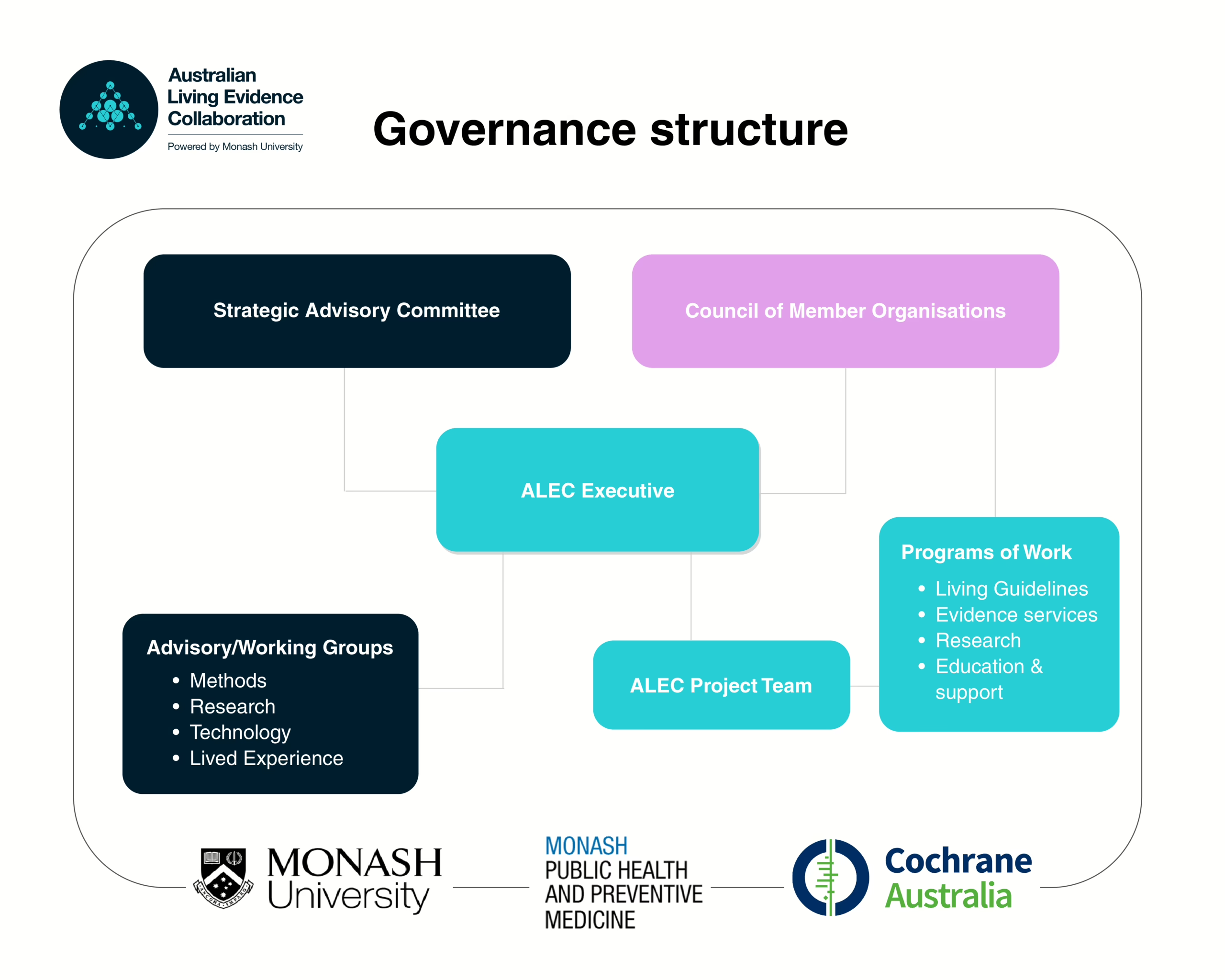
The Australian Living Evidence Collaboration is led and governed by Cochrane Australia within the School of Public Health and Preventive Medicine at Monash University in Melbourne.
A Strategic Advisory Committee provides strategic guidance to the ALEC Executive team on how best to achieve ALEC’s mission and vision.
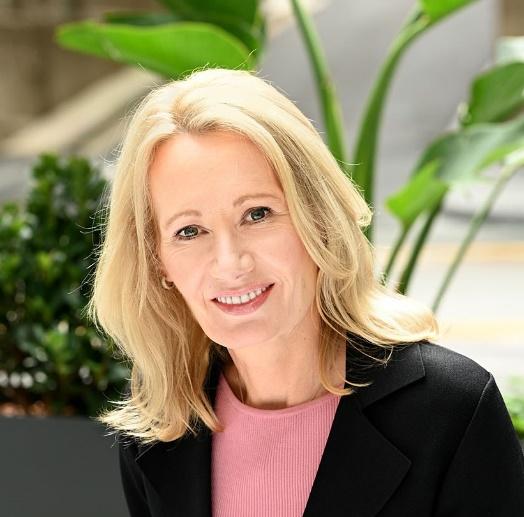
Sharon is the Chair of the Strategic Advisory Committee for the Australian Living Evidence Collaboration. Having spent her career in the health and NFP sector, Sharon has a wealth of leadership and governance experience gained over the past 30 years.
She is an experienced communicator, with a background in health service management, community engagement, advocacy, culture transformation and philanthropy. Originally trained as a registered nurse, Sharon has worked in Australia and the UK with a range of health, public sector and not-for-profit organisations.
Prior to joining the College, Sharon was CEO of the National Stroke Foundation for 7 years, growing the Foundations’ revenue and impact.
Sharon is the immediate past Chair of the Australian Chronic Disease Prevention Alliance and the National COVID-19 Clinical Evidence Taskforce Steering Committee.
Sharon holds a Masters of Business Administration from Cranfield University in the UK, is a graduate of the Australian Institute of Company Directors and has attended two short courses at Harvard Business School. She was awarded an honorary Member of the Order of Australia (AM) in 2024.

ALEC Clinical Director
Professor Steve McGloughlin is an intensive care physician and infectious diseases physician at the Alfred Hospital in Melbourne. Since 2017 he has been the director of the Alfred ICU, a 56-bed quarternary intensive care unit specialising in trauma, advanced cardiac support, ECMO and burns.
He was the chair of the ANZICS COVID-19 guideline committee and has been a member of the Australian Therapeutic Guidelines writing committee for the past 8 years and also on the most recent version of the Surviving Sepsis Guideline.
He has published in a number of major international journals and completed a Masters of Public Health and a Masters of International Health Leadership. He is also a member of several major national and international guidelines including the surviving sepsis campaign, therapeutic guidelines and the National COVID-19 Clinical Evidence Taskforce.

ALEC Academic Director, Professor (Research) at Cochrane Australia
Tari leads research developing and evaluating methods for living evidence syntheses, including living systematic reviews and living guidelines; and translating synthesised evidence into improved healthcare practice and policy. Her passion is supporting evidence-based decision-making to ensure the best possible outcomes, particularly for women and children in low resource settings. Tari is an Editor for The Cochrane Library and Cochrane Evidence Synthesis and Methods, and a member of the Scientific and Technical Advisory Group to the WHO Department of Sexual and Reproductive Health and Research. She is an Honorary Principal Research Fellow at the Burnet Institute, a Senior Research Fellow for 3ie and a member of the Australian Red Cross Lifeblood Ethics Committee.
Partner, Perpetual Private, Community and Social Investment
CEO Elect, Peter MacCallum Cancer Foundation (commencing January 2025)
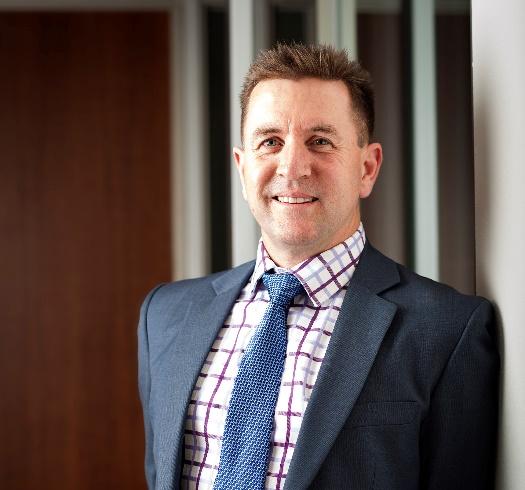
Craig Connelly is a former partner at Goldman Sachs JBWere (1993 to 2004) co-founder of the Ascot Fund, an Australian equities long/short fund (2004 to 2012) and the former Chief Executive Officer of The Ian Potter Foundation (2015 to 2023). Spanning approximately 30 years, Craig’s experience affords him a unique perspective when considering community and social investment.
Having joined Perpetual in March 2023, Craig has worked in two distinct roles. Firstly, to assist Perpetual’s philanthropic and not-for-profit clients think deeply about effective philanthropy, social impact, values and investment alignment and the role Perpetual can play to amplify social impact and social outcomes that benefits both our clients and Australian society more broadly. Secondly, to assist Perpetual’s Family Office clients manage their wealth journey as their own family develops and evolves.
Craig was recently announced as the incoming Chief Executive Officer of The Peter MacCallum Cancer Foundation, a role he is excited to start and to assist The Peter MacCallum Cancer Centre continue to positively support and impact people’s lives.
Outside of Perpetual, Craig supports several charitable organisations, including as Patron of SANE Australia, as co-Chair of the Transforming Evidence Funders Network Advisory Group (Washington-based), as a member of the Australian living Evidence Collaboration Strategic Advisory Group and is a former trustee of the National Parks Conservation Trust, and a former Board member of Watertrust Australia Limited and SANE Australia.
Forward Thinking Design, ALEC Consumer Advisory and Working Group member
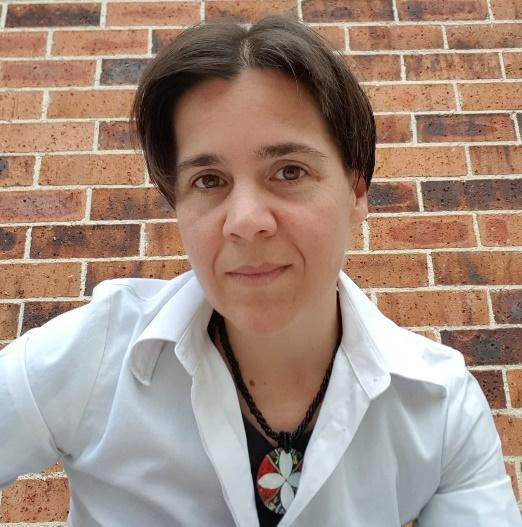
Vanessa has served in advocacy, advisory and governance roles with Polycystic Kidney Disease Australia, CARI Guidelines, Australasian Kidney Trials Network, Interior Fitout Association, BCorporation Sydney, Reserve Bank of Australia and others. Vanessa holds diploma, bachelor and post-grad qualifications across a range of disciplines and has co-authored several published research papers in the fields of healthcare and design.
Vanessa lives with chronic disease conditions and balances volunteer and mentoring work with her social enterprise Forward Thinking Design (FTD), a multi-award-winning business that she founded over two decades ago. In her role as CEO of FTD, Vanessa leads client Boards and Senior Management through stakeholder and market research, strategic planning and implementation processes.

Future Evidence Foundation, Veritas Health Innovation
Julian Elliott is one of the world’s leading researchers in the use of technology for evidence synthesis. He developed the Living Evidence model, was the founding Chair of the Australian Living Evidence Consortium and established the Australian National COVID-19 Clinical Evidence Taskforce, both based at Cochrane Australia within Monash University’s School of Public Health and Preventative Medicine. Julian is also the co-founder and CEO of Covidence, a non-profit technology company that provides the most widely used software platform for systematic reviews globally. In 2017 Julian was the recipient of the Australian Health Minister’s Award for Excellence in Health and Medical Research.
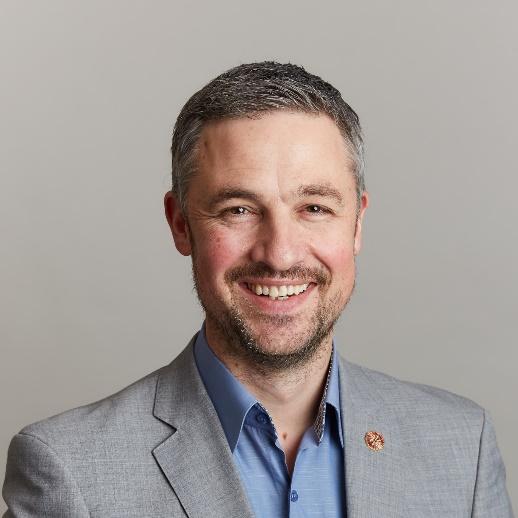
CEO, Australian Primary Health Care Nurses Association
Ken has more than 20 years marketing, communications and government affairs experience in the healthcare, not-for-profit, pharmaceutical, beverage and logistics sectors. He has held multiple leadership roles and has directed and advised on high-profile campaigns for large companies, patient groups and industry organisations.
Ken has previously been involved with living guidelines during the COVID-19 pandemic and brings significant strategic capability. He is a determined and passionate supporter of health professionals delivering excellent health care.

Dean of the College of Health and Medicine, ANU
He is a specialist trauma surgeon, and has a PhD in health services research, and postdoctorate qualifications in health policy, medical ethics and business management.
In 30 years of clinical practice, he has also been Director of the Australian National Trauma Research Institute, and Director of the Institute for Health Technologies at Nanyang Technological University, Singapore. As the world’s first Professor of Surgery and Public Health, a position created at Monash University, and a Lancet Commissioner in Global Surgery, he worked with national governments, the WHO and the private sector to progress surgical and trauma systems in resource-rich and resource-poor settings. As a Harkness Fellow in Healthcare Policy at Harvard he had significant impact on contemporary approaches to medical professionalism, an interest he carries through in his teaching today.
He led the creation of the Australian Trauma Registry, an Australia-India Trauma System Collaboration, and successful large clinical trials in severely injured patients. He was an editor of the Cochrane Collaboration’s Effective Practice and Organization of Care Group, and co-invented Living Systematic Reviews and the systematic review software tool, Covidence ®. His research has been recognised with the Australia’s top clinician-scientist awards and with election as a Fellow of the Australian Academy of Health and Medical Sciences, the Academy of Medicine of Singapore, and the International Surgical Society, and to the Board of Research Australia.
Russell’s colourful and seemingly diverse career spanning remote Indigenous communities, developing health systems, and some of the world’s finest institutions, is linked together by common threads of science and service, and his commitment to precision and progress.
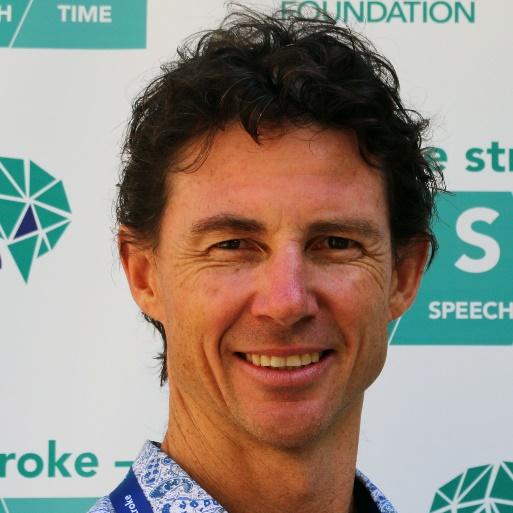
National Manager Stroke Treatment, Stroke Foundation
Mr Kelvin Hill graduated from a Bachelor of Applied Science (Physiotherapy) in 1997 at the University of Sydney and worked as a physiotherapist for several years. In 2001 he completed a Graduate Diploma in Business and Commerce at the University of Western Sydney. Since 2003, he has worked at the Stroke Foundation where he has developed a passion for improving services for people with stroke by implementing evidence-based care. As the National Manager Stroke Treatment he oversees the development and implementation of the Australian stroke living guidelines, the National Stroke Audit and other national clinical and policy activity. He is also actively involved in national and international efforts to improve guideline methods and their implementation.
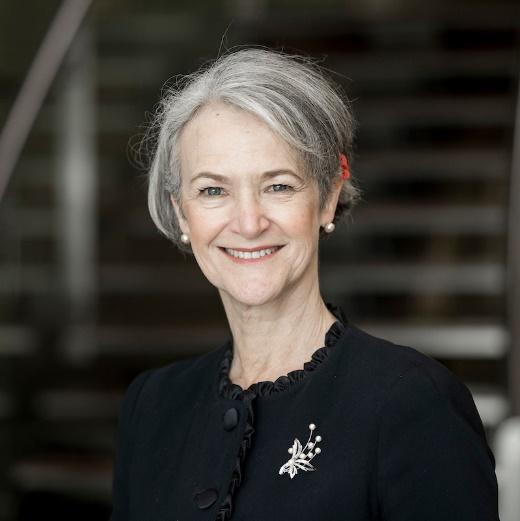
Deputy Director (Equity, Diversity, and Inclusion) and Working Group Head, Burnet Institute
Professor Caroline Homer AO is the leading midwifery researcher in Australia and has an international reputation as a scholar and leader in maternal and newborn health care and service delivery.
She obtained her PhD in 2001 and since then has led research and development projects in Australia and internationally especially in relation to health services delivery, reproductive, maternal and newborn care, human resources for health workforce development and midwifery education. She has more than 30 years of experience in the sector – as a clinician, educator, researcher and leader.
Qualifications
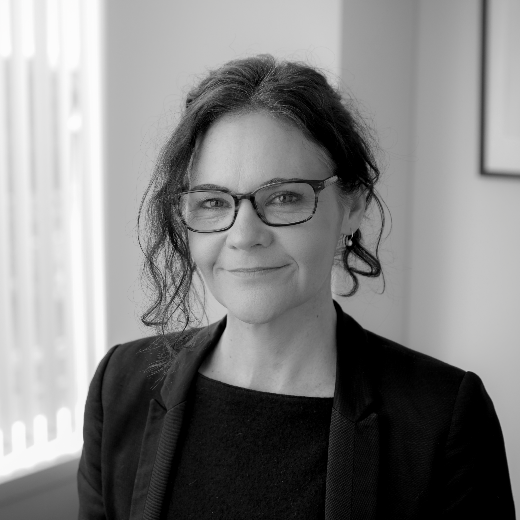
University of Melbourne
Kim is a Senior Research Fellow at the University of Melbourne’s Onemda Centre for Aboriginal and Torres Strait Islander Health and Wellbeing. She is a neuroscientist and public health researcher with expertise in trauma, evidence synthesis, and implementation science. Kim leads participatory action research on complex implementation and evaluation projects addressing intergenerational trauma in Aboriginal and Torres Strait Islander communities. Her work aims to help close the gap on health and wellbeing outcomes between Indigenous and non-Indigenous Australians. Kim also leads a training program for service providers working with Aboriginal and Torres Strait Islander families affected by trauma.
Kim led the evidence synthesis for the Australian Guidelines for the Prevention and Treatment of Acute Stress Disorder, Posttraumatic Stress Disorder, and Complex PTSD, one of the first Australian living guidelines. She is a member of the Research Committee at the University of Melbourne’s School of Population and Global Health and has recently authored a chapter for the next edition of the RACGP-NACCHO National guide to a preventive health assessment for Aboriginal and Torres Strait Islander people.
Kim holds a Doctor of Philosophy from the University of Newcastle, a Master of International Public Health from the University of New South Wales, and a Bachelor of Biomedical Science from the University of New England.
University of Queensland, ALEC Consumer Advisory and Working Group member
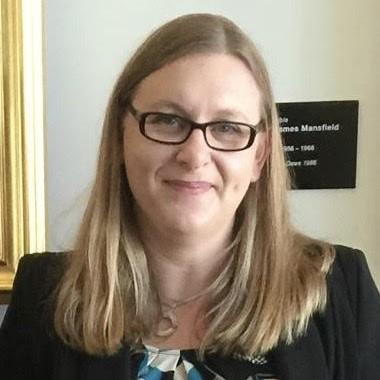
Dr Michelle King is a sociologist, lawyer, and consumer advocate. Her research focuses on decision-making, and how law works in practice for people with intellectual disabilities and other impairments to legal capacity. She is interested in decision-making in a range of areas, including health and aged care, banking and finance, income support, and the NDIS. Michelle works as a Research Fellow at the University of Queensland’s Queensland Aphasia Research Centre on the Conversations about Care project, looking at communication, inclusion, and decision-making in aged care.
Michelle is also a health consumer and disability advocate. She has lived experience in complex disability as a parent and supporter of her 25-year-old daughter, Daelle, who has profound intellectual and multiple disabilities. Michelle serves in a range of roles as an advocate and consumer, including as the consumer board Chair of Child Unlimited (a national research alliance for children and young people with chronic illness and disability), a consumer member of Queensland Health’s Adolescent and Young Adult SubNetwork, Metro North (Queensland) Hospital and Health Service’s Disability Service Plan Steering Committee, Brisbane North Primary Health Network’s Consumer Advisory Committee, and QIMR Berghoffer’s Community Advisory Group.

Associate Professor Vincent Lee is a clinician-scientist at Westmead Hospital, Consultant Nephrologist, Director of Dialysis and Head of Medicine, Norwest Private Hospital, and Clinical Associate Professor at the University of Sydney. He is councillor for the Australian and New Zealand Society of Nephrology and Principal Investigator for the Westmead Applied Research Centre. He is the incoming chair of the International Society of Nephrology Educational Ambassadors Committee. He is also current chair of the Western Sydney Local Health District Drug and Therapeutics Committee and chairs the NSW Health High-Cost Medicines Committee.
Dr Lee has a PhD in experimental chronic kidney disease from the University of Sydney. His key research interests include digital health in chronic kidney disease (CKD), as well as other clinical and experimental aspects of CKD and preeclampsia. He has a career >6000 citations with a H-index of 37 from >125 publications.
Impactful, clearly communicated synthesis of cutting edge evidence-based medicine is a key passion. Dr Lee is the chair of the steering committee of the Caring for Australians and New Zealanders with Renal Impairment (CARI) group – an internationally recognised guideline group for kidney health – we will continue to support the production and dissemination of living evidence to guide modern and future clinical care for kidney health on behalf of patients affected by kidney disease and their caregivers.
Chief Medical Officer, Mackay Hospital and Health Service
Charles is a Fellow of the UK Faculty of Public Health, a Fellow of the Australasian Faculty of Public Health Medicine, a Fellow of the Australasian College of Health Service Management, and a Fellow of the International Society for Quality in Health Care, and an Associate Professor at the Flinders University College of Medicine and Public Health.
He has had a 39-year career in medicine in which he has worked in four public health systems (Australia, New Zealand, the United Kingdom and Qatar) as a clinician, public health physician, medical administrator, director of clinical governance, and health systems improvement program director.
He has a strong interest in health systems improvement. In his role as a director with the New South Wales Clinical Excellence Commission, Charles led patient safety and quality programs, such as the Between the Flags Program, which was the largest and most comprehensive patient safety program of its kind and has been associated with a reduction of 42% in unexpected cardiac arrests in NSW hospitals.
His most recent role before moving to Queensland was as the Acting Chief Health Officer for the Northern Territory.

Co-Director of Cochrane Australia, Deputy Head (Research) of School of Public Health and Preventive Medicine Monash University.
Professor Green holds a PhD in Epidemiology and Preventive Medicine from Monash and has several competitively funded research projects which aim to improve health outcomes by investigating the most effective and efficient pathway of knowledge from research result to sustained change in clinical practice and policy. Sally is also a member of Australia’s National Health and Medical Research Council (NHMRC) Synthesis and Translation of Research Evidence (SToRE) Advisory Group and is a member of Cochrane’s international Governing Board.
The Australian Living Evidence Collaboration engages with people with lived experience in its governance and operational activities, to ensure our work is co-designed to achieve better health outcomes for patients and carers.
ALEC Lived Experience Advisory Group
The ALEC Lived Experience Advisory Group (formerly the ALEC Consumer Advisory and Working Group) is made up of people with experience providing a lived experience / patient / carer perspective in one or more of the individual ALEC living guidelines.
The responsibilities of the ALEC Lived Experience Advisory Group are to provide advice and/or flag opportunities to the Strategic Advisory Committee, ALEC Executive and ALEC project team related to:
Group members are also invited to other groups and activities as they are developed, such as project-specific research advisory committees, co-presenting at conferences and workshops, and co-authoring publications.
Two members of the Group also sit on the ALEC Strategic Advisory Committee, to ensure good flow of information and advice between the Group and the Committee.
Current members include:
The Lived Experience Advisory Group has regular meetings and members are offered reimbursement for their time.
View the Group’s Terms of Reference.
Good public policy is informed by the transparent and rigorous use of evidence. Policymakers, however, contend with challenges accessing timely and appropriate evidence, and institutionalising the use of evidence to make and evaluate policy decisions. Policymakers want the right evidence at the right time.
Living evidence is an emerging methodology that surfaces the best-available evidence to address policy and practice questions, at the time when policymakers need it. Living evidence syntheses are the continually updated, systematically appraised, summaries of research evidence that use a living evidence approach. These summaries are most beneficial for decisions where the evidence base is dynamic, or where the health or policy context is changing.
The value of living evidence was demonstrated during the COVID-19 pandemic, where it was credited with ‘charting a course out of the pandemic’ for decision-makers. There is now a global commitment to adopting living evidence for wide-ranging policy decisions. The crucial challenge now is to ensure that living evidence is adopted effectively by policymakers.
This research program aims to advance understanding of how living evidence can enable stronger evidence-informed policy, by ensuring that policymakers have timely access to the evidence they need. It will identify opportunities to maximise the translation of living evidence into policy and establish the groundwork for embedding routine use of research in policy policymaking to create strong policy. In doing so, this project will deliver improved social and economic outcomes for Australians and globally.
This program is led by Cochrane Australia and the Australian Living Evidence Collaboration. We work in close collaboration with governments, knowledge producers, academics and people with lived experience in Australia and internationally.
To find out more or work with us contact the ALEC Policy Research lead, Dr Samantha Chakraborty: [email protected]
Members of the Australian Living Evidence Collaboration are not-for-profit, Australian-based organisations that have a shared agreement to:
Members
 Subscribe here to receive regular updates from ALEC